Resource Hub Content

Maximizing Lifestyle Changes To Manage Type 2 Diabetes
“This evidence could reframe our understanding of type 2 diabetes therapy and could change the conversations we have with patients regarding their treatment. Instead of focusing on an A1C goal that is adequate for control of type 2 diabetes, we would instead focus on achieving remission.”
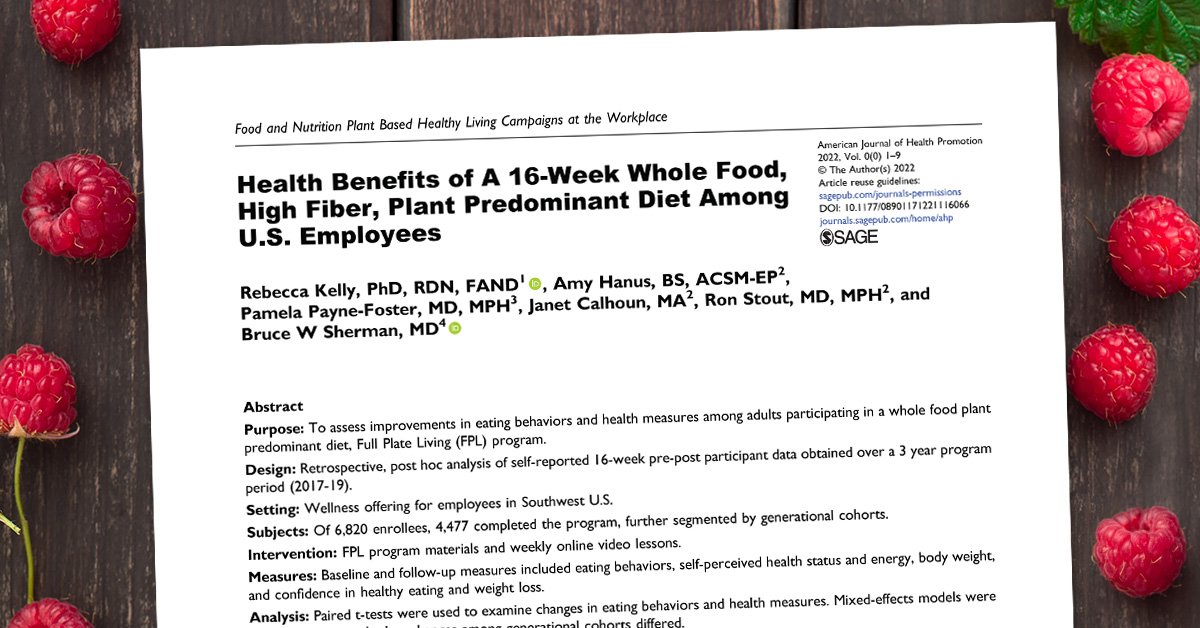
Health Benefits of A 16-Week Whole Food, High Fiber, Plant Predominant Diet Among U.S. Employees
This study of corporate employees participating in the online Full Plate Living program found significant pre-post improvements in employee’s nutrition and wellbeing.
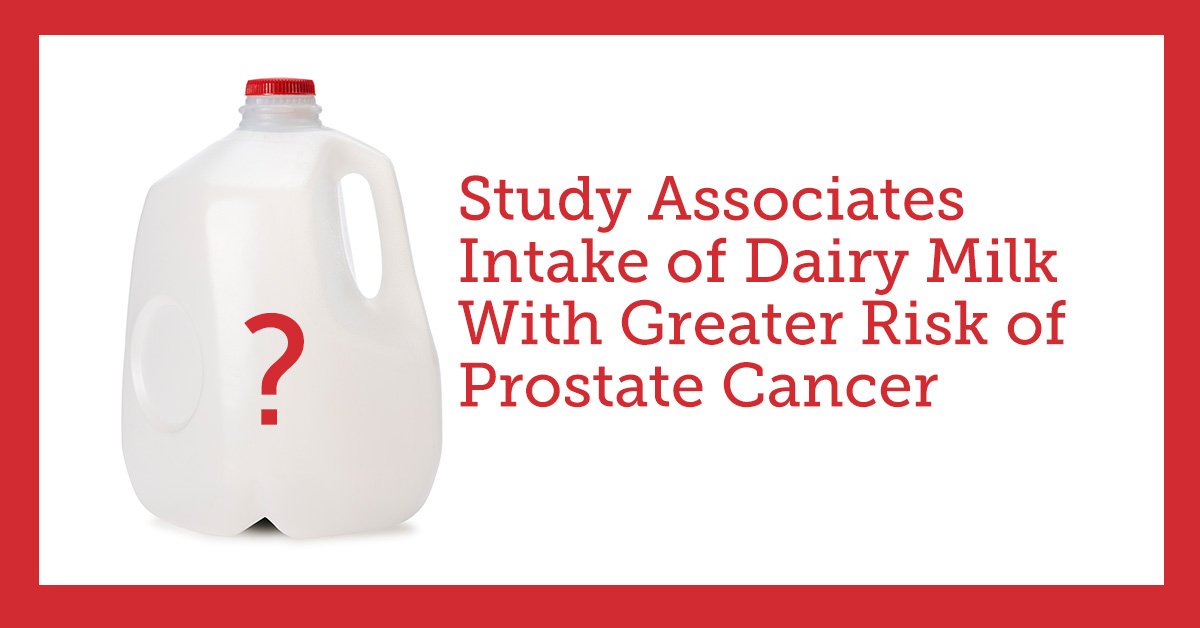
Study Associates Intake of Dairy Milk With Greater Risk of Prostate Cancer
Men with higher intakes of dairy foods, especially milk, face a significantly higher risk of prostate cancer compared to men with lower intakes, according to a new study conducted by researchers at Loma Linda University Health.

Evaluating the Full Plate Living lifestyle intervention in low-income monolingual Latinas with and without food insecurity
This article was published in the Journal Women’s Health.

Ultra-processed food intake and animal-based food intake and mortality in the Adventist Health Study-2
The research finds the total of animal based food consumption (meat, dairy, eggs) was not associated with mortality, but higher red meat intake was. The findings suggest that high consumption of ultra-processed foods may be an important indicator of mortality.
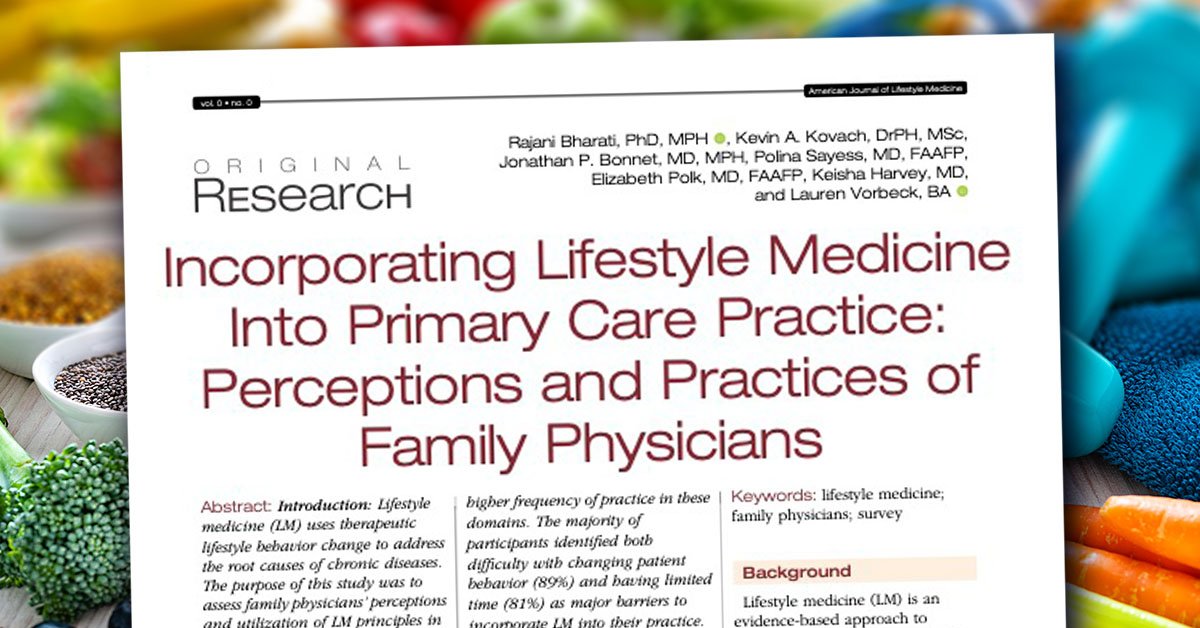
Incorporating Lifestyle Medicine Into Primary Care Practice: Perceptions and Practices of Family Physicians
Lifestyle medicine concepts resonate strongly with family physicians although gaps exist surrounding engaging in community partnerships, advocacy, and certain domains of LM.

Building Health Equity: Action Steps From the American College of Lifestyle Medicine’s Health Disparities Solutions Summit (HDSS) 2020
This paper, published in the American Journal of Lifestyle Medicine, provides background on the realities of health disparities in the United States, introduces the entrance point of lifestyle medicine (LM) practice in the struggle for health equity, and summarizes Summit proceedings and recommended action steps.

The Biology of Veganism: Plasma Metabolomics Analysis Reveals Distinct Profiles of Vegans and Non-Vegetarians in the Adventist Health Study-2 Cohort
Study “results suggest that multiple potentially bioactive metabolites are increased by consumption of plant-based foods, and may lower the risk of metabolic diseases through anti-inflammatory mechanisms.”
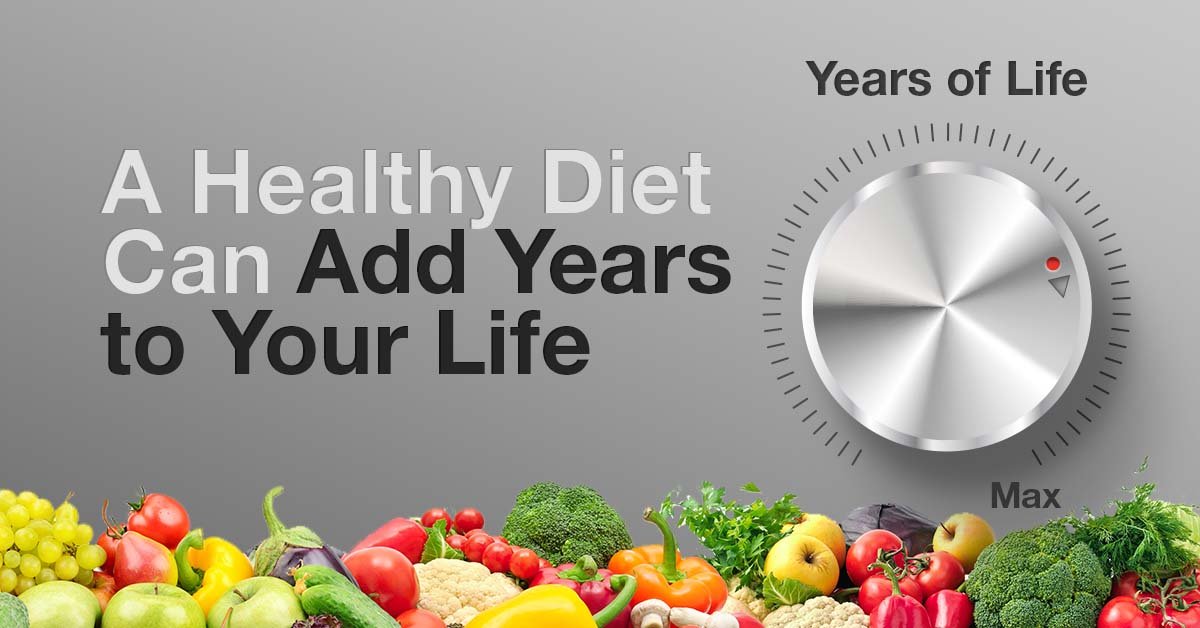
A Healthy Diet Can Add Years to Your Life
You’re never too old to add years to your life by eating a healthier diet. Extend your life a decade or more when incorporating specific dietary changes shown in a recently published study.
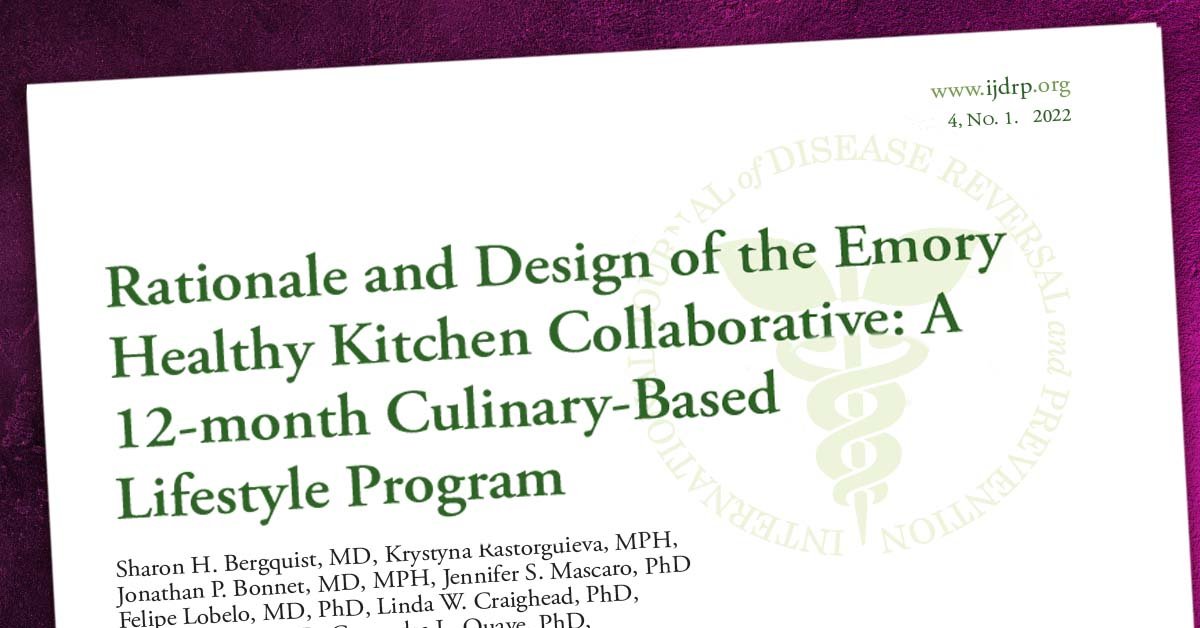
Rationale and Design of the Emory Healthy Kitchen Collaborative: A 12-month Culinary-Based Lifestyle Program
The International Journal of Disease Reversal and Prevention published a paper featuring the Ardmore Institute of Health supported Emory Healthy Kitchen Collaborative, a 12-month Culinary-Based Lifestyle Program.

Dietary change in high-income nations alone can lead to substantial double climate dividend
Dietary change toward plant focused diets not only improves health it may offer substantial opportunities for greenhouse gas reductions.

The Safe and Effective Use of Plant-Based Diets with Guidelines for Health Professionals
This article in the journal Nutrients reviews the scientific data on plant-based diets to summarize their preventative and therapeutic role in chronic disease. Nutrient needs and supplements for vitamin B12, calcium, vitamin D, iron, zinc, and omega-3 fats, are discussed including guidelines for physicians.
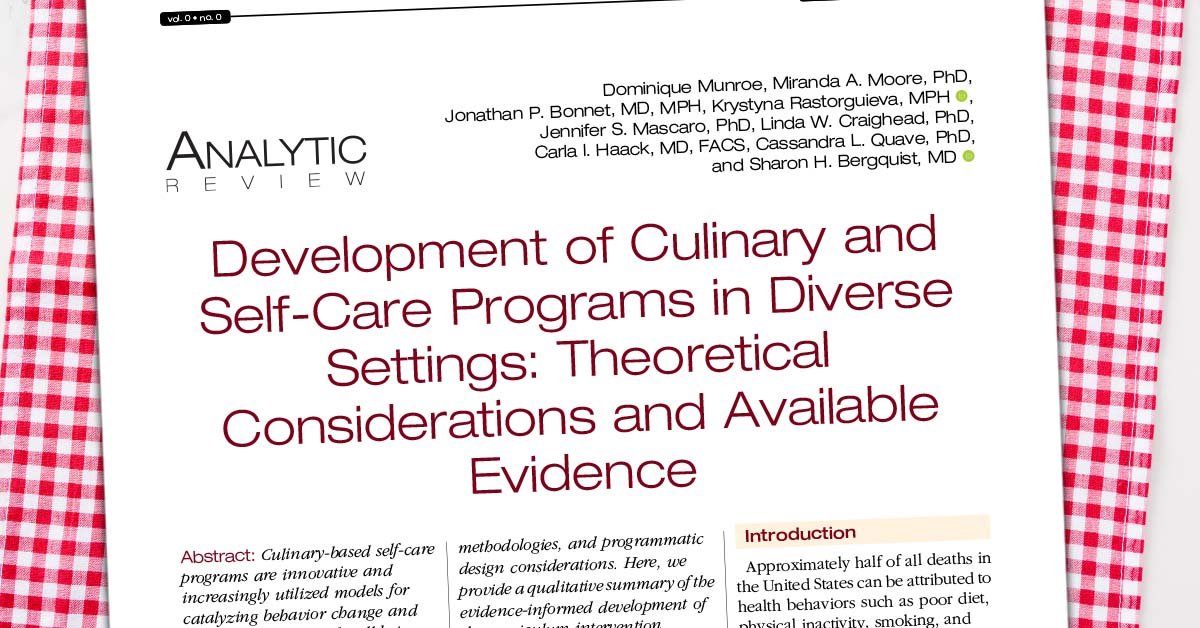
Development of Culinary and Self-Care Programs in Diverse Settings: Theoretical Considerations and Available Evidence
Ardmore Institute of Health helped to fund the Emory Healthy Kitchen collaborative to promote learnings around teaching kitchens and lifestyle medicine. This article in Analytic Review provides a qualitative summary of the evidence-informed development of the project.

Building Health Equity: Action Steps From the American College of Lifestyle Medicine’s Health Disparities Solutions Summit (HDSS) 2020
This paper provides background on the realities of health disparities in the United States, introduces the entrance point of lifestyle medicine (LM) practice in the struggle for health equity, and summarizes Summit proceedings and recommended action steps.

Lifestyle Medicine Reimbursement: A Proposal for Policy Priorities Informed by a Cross-Sectional Survey of Lifestyle Medicine Practitioners
This article published in the International Journal of Environmental Research and Public Health presents the results of a cross-sectional survey of lifestyle medicine practitioners regarding reimbursement and proposes policy priorities to help with reimbursement for lifestyle medicine services.

Plant-Based Foods for Skin Health: A Narrative Review
This article was published in the Journal of the Academy of Nutrition and Dietetics.
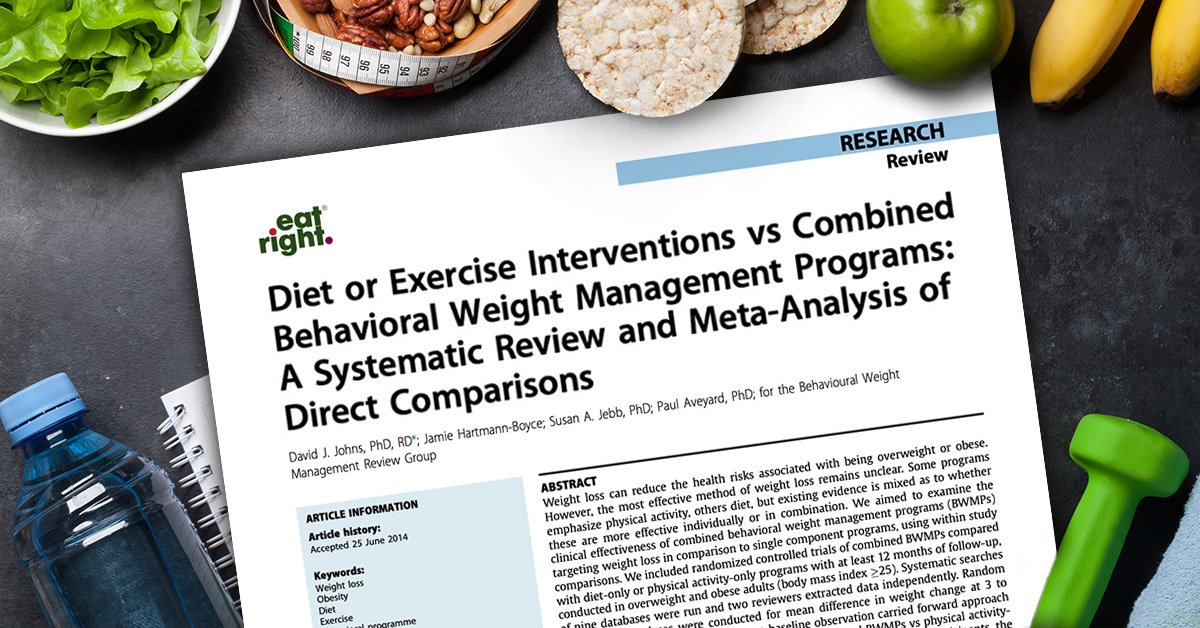
Diet or Exercise Interventions vs Combined Behavioral Weight Management Programs: A Systematic Review and Meta-Analysis of Direct Comparisons
This article was published in the Journal of the Academy of Nutrition and Dietetics.
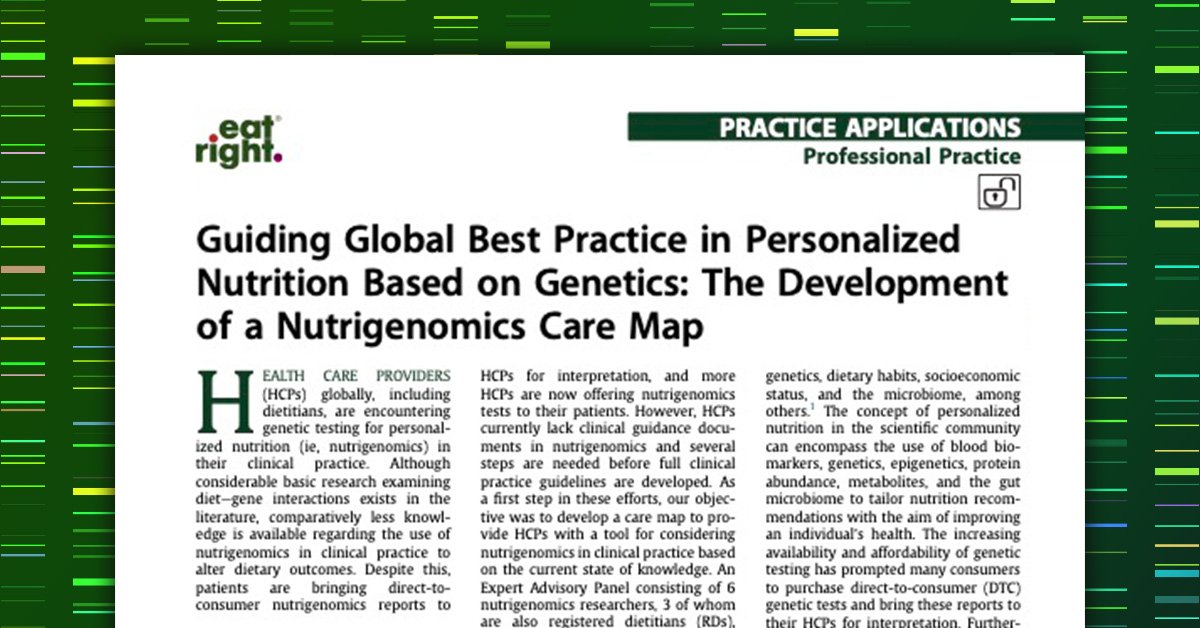
Guiding Global Best Practice in Personalized Nutrition Based on Genetics: The Development of a Nutrigenomics Care Map
This article was published in the Journal of the Academy of Nutrition and Dietetics.

Lifestyle Medicine and Economics: A Proposal for Research Priorities Informed by a Case Series of Disease Reversal
A recent article in the International Journal of Environmental Research and Public Health demonstrates the value of Lifestyle Medicine by detailing four cases that utilized an intensive, therapeutic lifestyle intervention change approach to dramatically reverse disease and reduce healthcare costs.